No products in the cart.

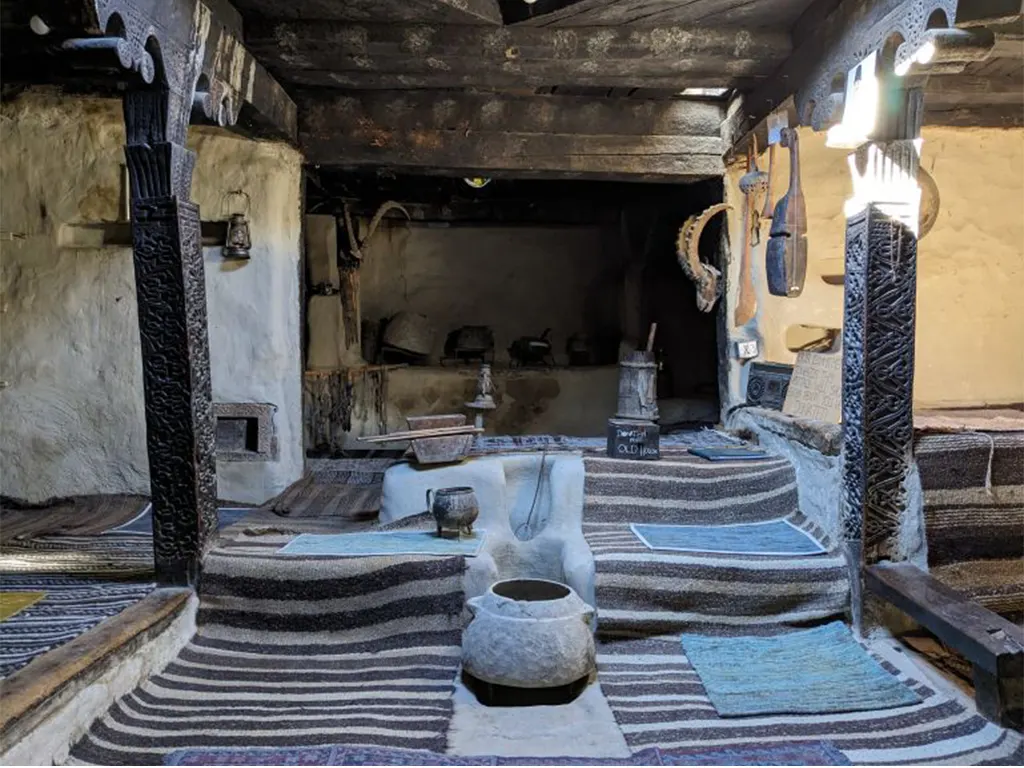
Gulmit, Gojal, Gilgit-Baltistan, Pakistan
There is something special about walking through the old streets of Gulmit. The village does not reveal its history through grand monuments alone. Instead, it speaks through its traditional houses, narrow pathways, wooden doors, stone walls and the quiet details of everyday life.
Located in the upper Hunza region of Gojal, Gulmit is a historic village surrounded by some of the most dramatic landscapes in northern Pakistan. Beyond its mountain scenery, the village offers visitors an opportunity to discover a different side of Hunza one shaped by family traditions, local craftsmanship and generations of life in the mountains.
The old houses of Gulmit reflect the way people traditionally lived in this high mountain region. Built with locally available materials, many of these homes combine stone, mud, timber and other natural elements suited to the local climate.
Their design was not simply a matter of appearance. Houses were built to provide shelter during cold winters, make practical use of limited space and support the daily needs of extended families. Thick walls, wooden beams, small openings and carefully planned interiors all tell a story of adaptation to the mountain environment.
Walking past these homes, visitors can often notice how architecture and landscape come together. A traditional doorway may open toward a narrow village lane, while an old wooden balcony looks out toward the surrounding mountains. These details create a strong sense of place that modern buildings cannot easily reproduce.
One of the most interesting aspects of Gulmit’s old houses is the craftsmanship found in their wooden elements. Doors, beams, windows and interior structures often display practical construction techniques passed down through generations.
Some houses have been maintained by their owners, while others show the natural signs of age. Weathered timber, stone surfaces and traditional layouts provide a reminder that these buildings were not created as tourist attractions. They were homes places where families lived, worked, celebrated and preserved their customs.
For travelers interested in architecture and heritage, these houses offer a more personal experience than simply visiting a famous landmark. They allow visitors to understand how communities developed and how local building traditions responded to the surrounding environment.
Like many mountain communities, Gulmit is changing. New construction, modern materials and contemporary lifestyles are becoming part of village life. At the same time, traditional houses remain an important connection to the past.
This contrast can be seen while walking through the village: a newly built home may stand beside an older stone and timber structure, showing how the community continues to develop while retaining elements of its architectural identity.
Preserving these old houses is important not only for their appearance but also for the stories they hold. Each structure represents a part of Gulmit’s social and cultural history. Even when a house is no longer used in exactly the same way, it can still help future generations understand the lives of those who came before them.
Gulmit is often visited for its surrounding landscapes, including the spectacular mountains and valleys of Gojal. However, spending time among its old houses offers a slower and more meaningful experience.
A walk through the village can reveal details that are easy to miss from a vehicle: an old wooden entrance, a traditional courtyard, a stone wall built by hand or the way homes are arranged along the hillside. These small observations often become some of the most memorable parts of a journey.
Visitors should remember that many of the old houses are privately owned. Exploring the village respectfully, avoiding entry into private properties without permission and asking before taking photographs are important ways to appreciate Gulmit’s heritage.
At Hunza Venture Treks & Tours, we believe that traveling through Pakistan is about more than visiting beautiful places. It is also about understanding the communities, traditions and history that make each destination unique.
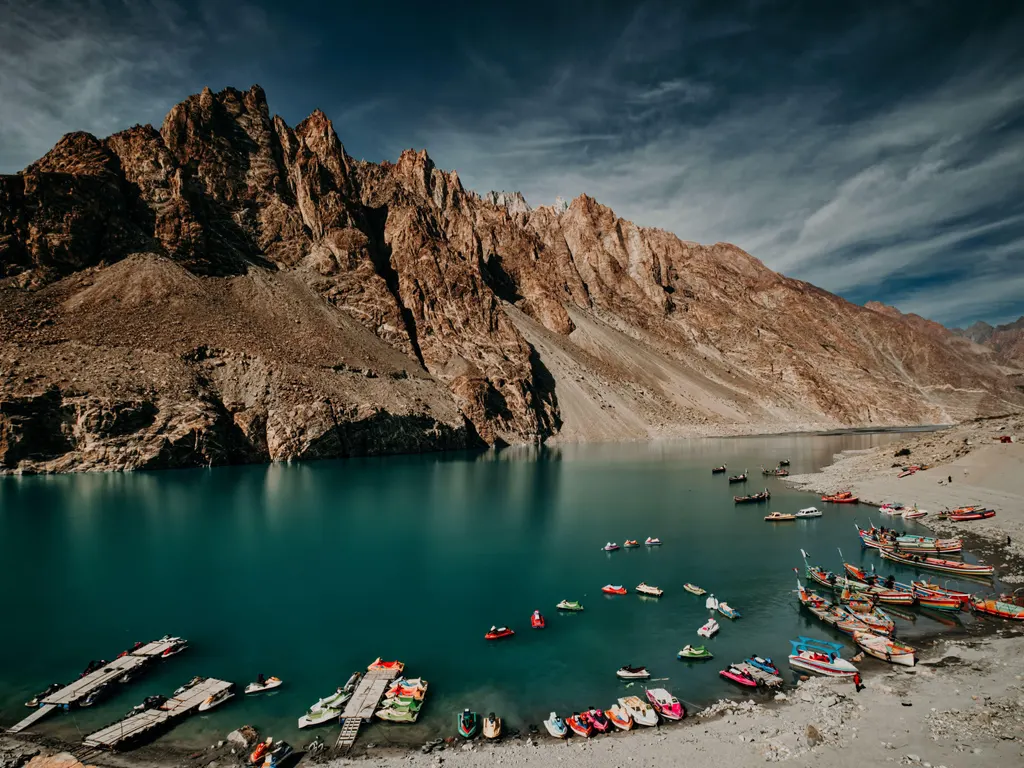
A visit to Gulmit can be included in a customized Hunza and Gojal itinerary, allowing travelers to explore the village at a relaxed pace while discovering its traditional architecture and cultural surroundings. Combined with nearby attractions such as Attabad Lake, Passu, Hussaini and the wider Gojal Valley, Gulmit offers a valuable opportunity to experience both the natural beauty and living heritage of northern Pakistan.
The old houses of Gulmit Gojal may not always attract the same attention as Hunza’s famous forts or mountain viewpoints, but they are an important part of the region’s identity. Their stone walls, wooden structures and traditional layouts reflect a way of life shaped by the mountains and preserved through generations.
For those willing to slow down and look closely, Gulmit offers more than a scenic stop. It offers a glimpse into the everyday history of Gojal and a reminder that some of the most meaningful travel experiences are found in the places where people have lived for centuries.
Explore Gulmit, discover its traditional houses, and experience the living heritage of Gojal with Hunza Venture Treks & Tours.



Explore Beyond Boundaries

