No products in the cart.

 Tariq Hussain
September 22, 2026
Tariq Hussain
September 22, 2026
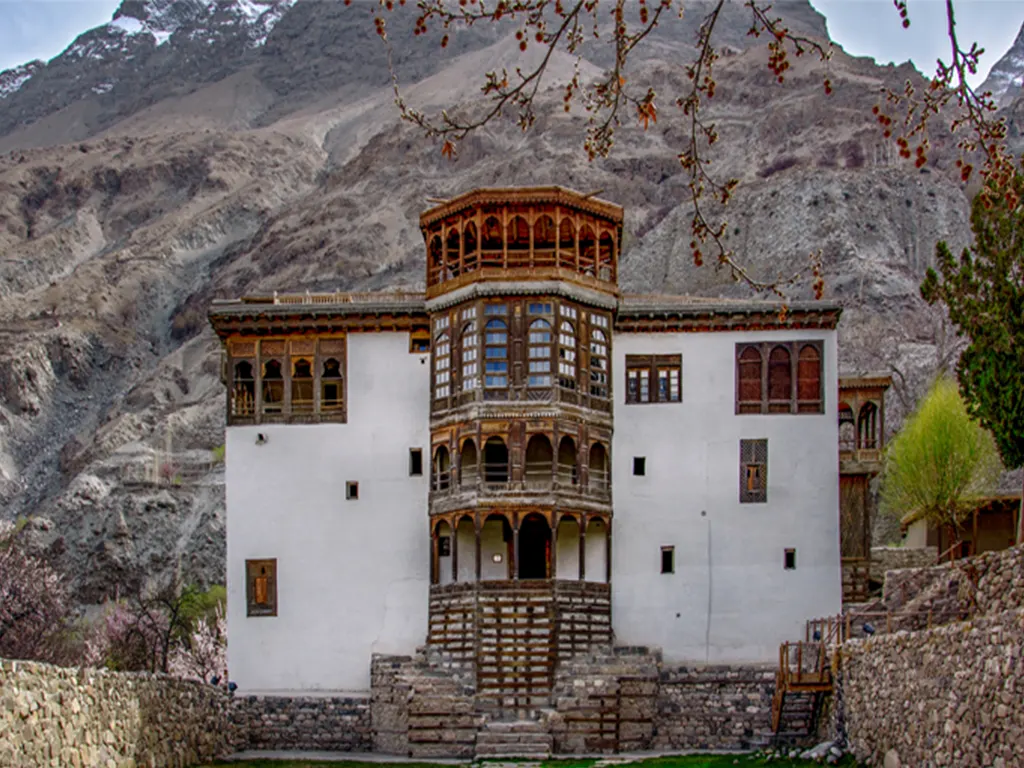
High in the eastern part of Gilgit-Baltistan, where the Shyok River flows through a landscape of green fields and towering Karakoram mountains, lies the historic town of Khaplu. Among its most remarkable landmarks is Khaplu Fort, also known as Khaplu Palace or Yabgo Khar.
More than just an old building, Khaplu Fort offers visitors a glimpse into the royal history, traditional architecture, and cultural heritage of Baltistan. Its wooden balconies, stone walls, beautifully crafted interiors and mountain surroundings make it one of the most fascinating historical places to visit in northern Pakistan.
The Government of Gilgit-Baltistan describes Khaplu Palace as a former royal residence of the Raja of Khaplu and highlights its combination of Himalayan, Kashmiri and Mughal architectural influences.


Khaplu Fort is located in Khaplu town, Ghanche District, Gilgit-Baltistan, Pakistan. Khaplu lies approximately 103 kilometres from Skardu and is situated along the Shyok River.
The journey from Skardu to Khaplu is an attraction in itself. The road passes through dramatic mountain scenery, traditional villages, agricultural terraces and sections of the Shyok Valley before reaching Khaplu.
Khaplu is also an important gateway to Hushe Valley, which is associated with trekking and mountaineering routes in the Karakoram.
Khaplu Palace was constructed in the mid-19th century and served as a royal residence for the rulers of Khaplu. It replaced an older fort that was located nearby.
The palace is locally known as Yabgo Khar, and historical sources commonly associate its construction with Yabgo Raja Daulat Ali Khan around 1840. The building was created with the skills of local Balti craftsmen as well as craftsmen from Kashmir.
For generations, the palace was connected with the ruling family of Khaplu. Its rooms, balconies and architectural details provide an interesting picture of the lifestyle of the former rulers and the cultural influences that shaped the region.
The old fort and palace therefore represent more than architectural beauty; they are part of the historical story of Baltistan’s royal kingdoms.
One of the most impressive aspects of Khaplu Fort is its architecture.
The palace combines elements of Balti, Tibetan, Kashmiri, Himalayan and Mughal architectural traditions. This mixture reflects the historical connections between Baltistan and neighbouring regions.
Wood and stone are used extensively throughout the structure. Traditional craftsmanship can be seen in the wooden balconies, carved elements, windows and interior details.
The semi-octagonal wooden entrance is particularly distinctive. According to the Government of Gilgit-Baltistan, the entrance changes into a balcony on the second floor and connects with a guest room on the third floor.
For travellers interested in architecture and photography, these details make Khaplu Palace especially rewarding to explore.
Over time, the historic palace fell into a deteriorated condition. A major restoration project began in 2005 under the Aga Khan Trust for Culture, with the restoration completed in 2011.
The restoration aimed to preserve the historic character of the building while giving it a new role in modern tourism.
Today, the palace functions as a heritage property and includes a museum component, allowing visitors to experience the architecture while learning about the history and culture of the region.
The restoration also represents an important example of heritage conservation in Gilgit-Baltistan.
A visit to Khaplu Fort is not simply about seeing an old palace. It is an opportunity to experience several aspects of Balti heritage.
The wooden structures, stonework, balconies and traditional design provide a fascinating look at the building traditions of Baltistan.
The palace contains spaces associated with the former royal household. The interiors help visitors understand how the ruling family once lived and received guests.
Khaplu Fort is surrounded by an impressive mountain landscape. From different parts of the palace, visitors can enjoy views across Khaplu Valley and towards the Karakoram.
A visit to the palace can easily be combined with exploring the surrounding town, where visitors can experience traditional Balti houses, agriculture, local food and everyday life.
The combination of the historic palace, wooden architecture, gardens, surrounding villages and mountains makes Khaplu Fort a beautiful photography location in Gilgit-Baltistan.
One of the reasons Khaplu is so interesting is that its history has not been separated from everyday life.
The town still retains many elements of traditional Balti culture. The surrounding villages, irrigation channels, orchards and agricultural fields provide an insight into how communities have adapted to life in a high mountain environment.
Balti culture can also be experienced through local cuisine, language, traditional architecture and hospitality.
For international visitors, spending time in Khaplu can therefore offer something different from simply visiting famous mountain viewpoints. It provides an opportunity to understand the people and history behind the landscape.
If you are planning a Khaplu Valley tour, there are several other attractions that can be included in your itinerary.
The historic Chaqchan Mosque is one of the most important religious and architectural landmarks in Khaplu. Its architecture reflects the cultural influences that have shaped the region over centuries.
Take some time to walk through the traditional streets and surrounding villages. The old houses, agricultural fields and mountain scenery provide excellent opportunities for cultural photography.
Khaplu is an important gateway to Hushe Valley, a destination known for trekking, mountaineering and access to some of the great mountain landscapes of the Karakoram.
The Shyok River runs through the wider Khaplu region and adds another dramatic element to the landscape.
Travellers with additional time can explore other valleys and viewpoints around Ghanche District, depending on road and weather conditions.
The most suitable months for visiting Khaplu and other destinations in Ghanche District are generally from spring through autumn.
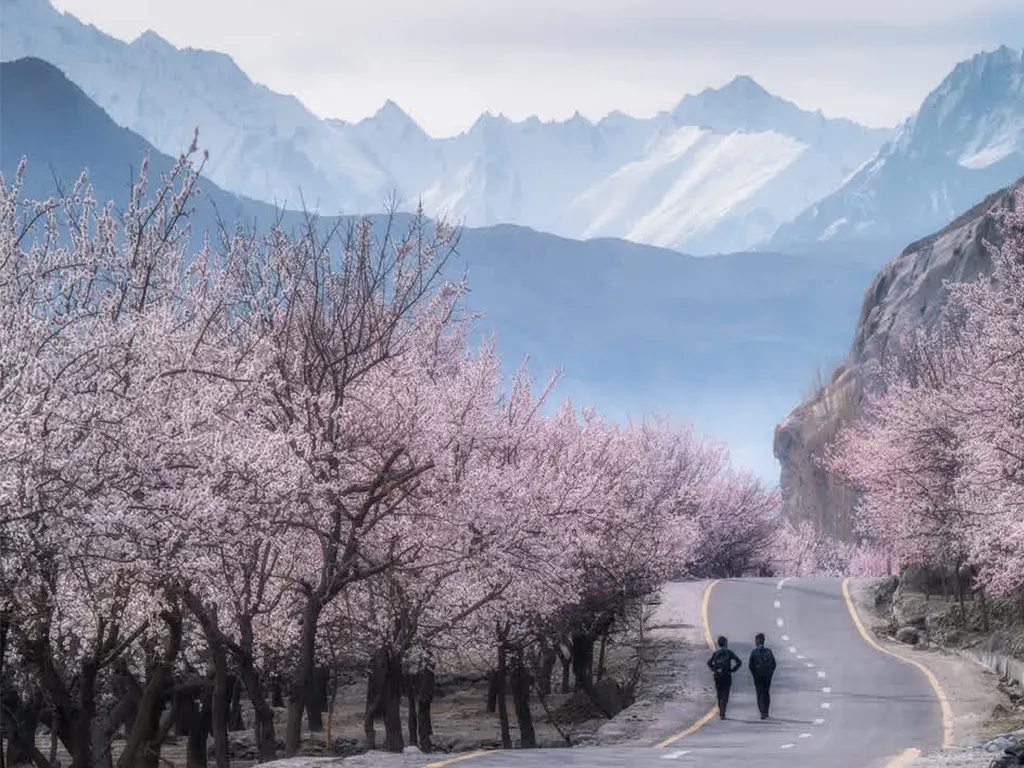
April and May are particularly attractive when fruit trees and surrounding vegetation begin to develop their spring colours.
June to August generally provides favourable conditions for sightseeing and exploring the surrounding valleys, although mountain weather can change quickly.
September and October offer cooler temperatures and beautiful autumn scenery, with golden colours appearing across many parts of Baltistan.
The Government of Gilgit-Baltistan tourism information lists April to October as a suitable period for visiting Khaplu Valley.
Most travellers visit Khaplu as part of a wider Skardu and Baltistan tour.
The usual route is:
Islamabad → Skardu → Shigar / Skardu Valley → Khaplu
Khaplu is approximately 103 km from Skardu, and the journey normally takes several hours depending on road conditions, stops and traffic.
Travellers arriving in Skardu by air can arrange a private vehicle for the journey to Khaplu. For those travelling by road from Islamabad, Khaplu can be incorporated into a longer Pakistan northern areas tour.
Many travellers come to Gilgit-Baltistan for its famous mountains, lakes and trekking routes. However, the region’s history is equally fascinating.
Khaplu Fort provides a connection between the natural beauty of Baltistan and its royal past.
Standing inside the palace and looking across the surrounding mountains, it is easy to appreciate why this location was important to the rulers of Khaplu. The building, the valley and the surrounding mountains together create an experience that combines history, architecture and nature.
For travellers looking beyond the usual tourist attractions, Khaplu Palace is one of the most rewarding heritage sites in Gilgit-Baltistan.
Khaplu Fort is more than a historic building. It is a part of the living heritage of Baltistan.
From its royal history and traditional wooden architecture to the spectacular Karakoram landscape surrounding it, Khaplu Palace offers travellers an opportunity to experience a quieter and more cultural side of northern Pakistan.
Whether you are interested in history, architecture, photography, culture or mountain travel, adding Khaplu to your Pakistan tour itinerary can make your journey through Gilgit-Baltistan considerably more meaningful.
For travellers planning a private journey through Skardu, Khaplu, Shigar and the surrounding valleys, the team at Hunza Venture Treks & Tours can create a customized itinerary combining cultural heritage with scenic and nature-based experiences.